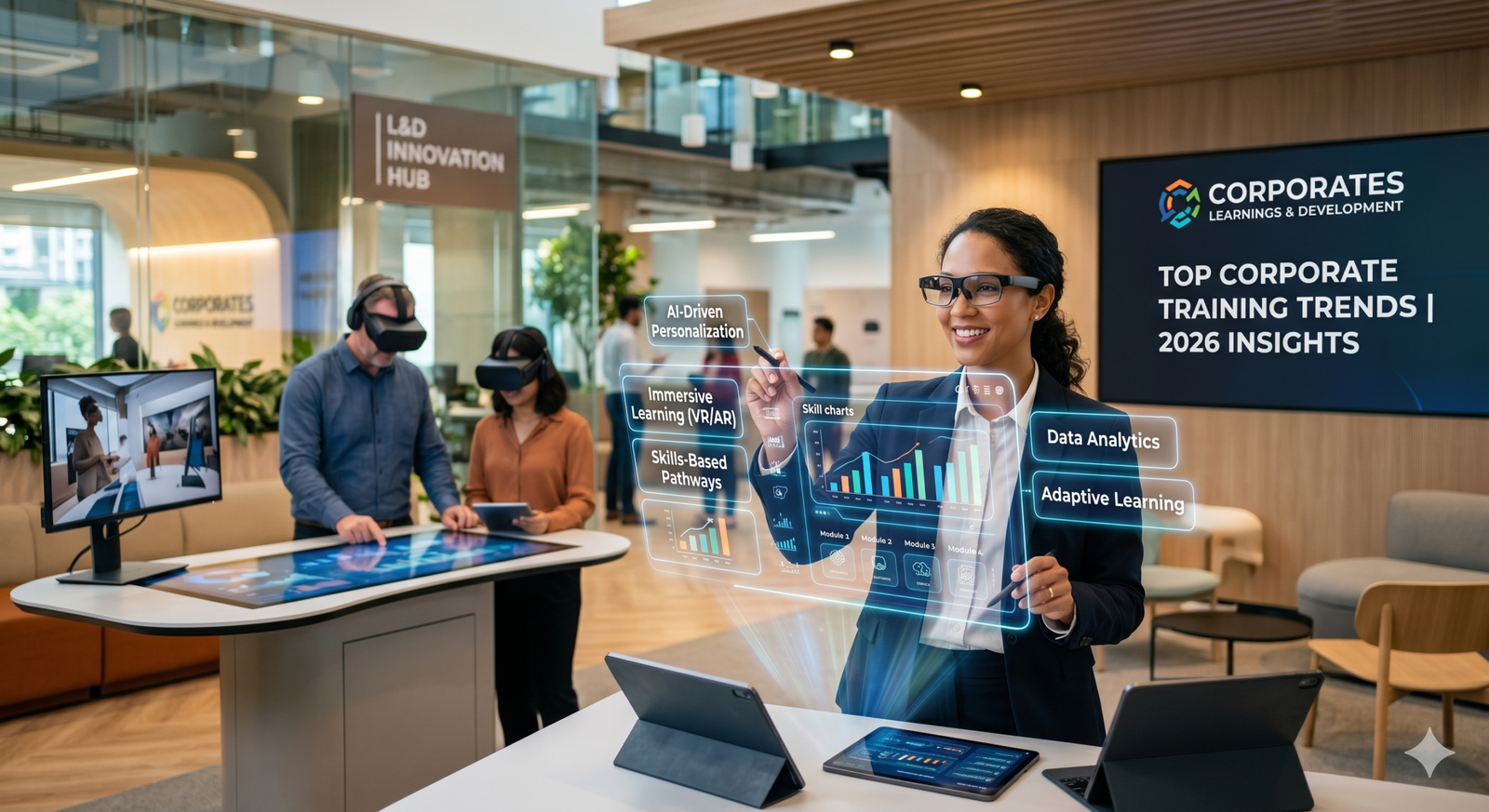
Welcome to Corporates Learnings & Development. In 2026, the velocity of business change has decisively outpaced the traditional, static training model. The days of clicking through generic, one-size-fits-all modules and calling it “professional development” are officially behind us. Today’s corporate training is dynamic, hyper-personalized, and focused on tangible capability rather than mere completion metrics.
If you want your workforce to stay competitive, agile, and engaged, these are the top learning and development trends you need to implement right now.
1. AI-Driven Personalization & Smart Pathways
Artificial Intelligence is no longer an experimental feature; it is the core architect of modern learning. Rather than relying on massive, overwhelming course catalogs, organizations are using AI to assemble contextual, personalized learning pathways.
- Adaptive Delivery: AI systems assess learner behavior in real-time, automatically adjusting the difficulty and focus of the content to match the employee’s pace.
- In-the-Flow Coaching: Workers receive contextual guidance, step-by-step reminders, and hints directly inside the software ecosystems they use daily.
- Proactive Readiness: Training is surfaced ahead of demand based on predictive skill gaps, rather than after a performance drop occurs.
2. The Rise of “Agentic AI” Fluency
Having access to generative AI tools doesn’t guarantee a return on investment. The focus has firmly shifted from simply providing AI to teaching employees how to collaborate with it. Modern training centers on teaching staff how to frame complex prompts, evaluate automated outputs, and apply critical human oversight. The goal is for AI to augment human expertise, not override it.
3. Immersive Learning & Spatial Computing
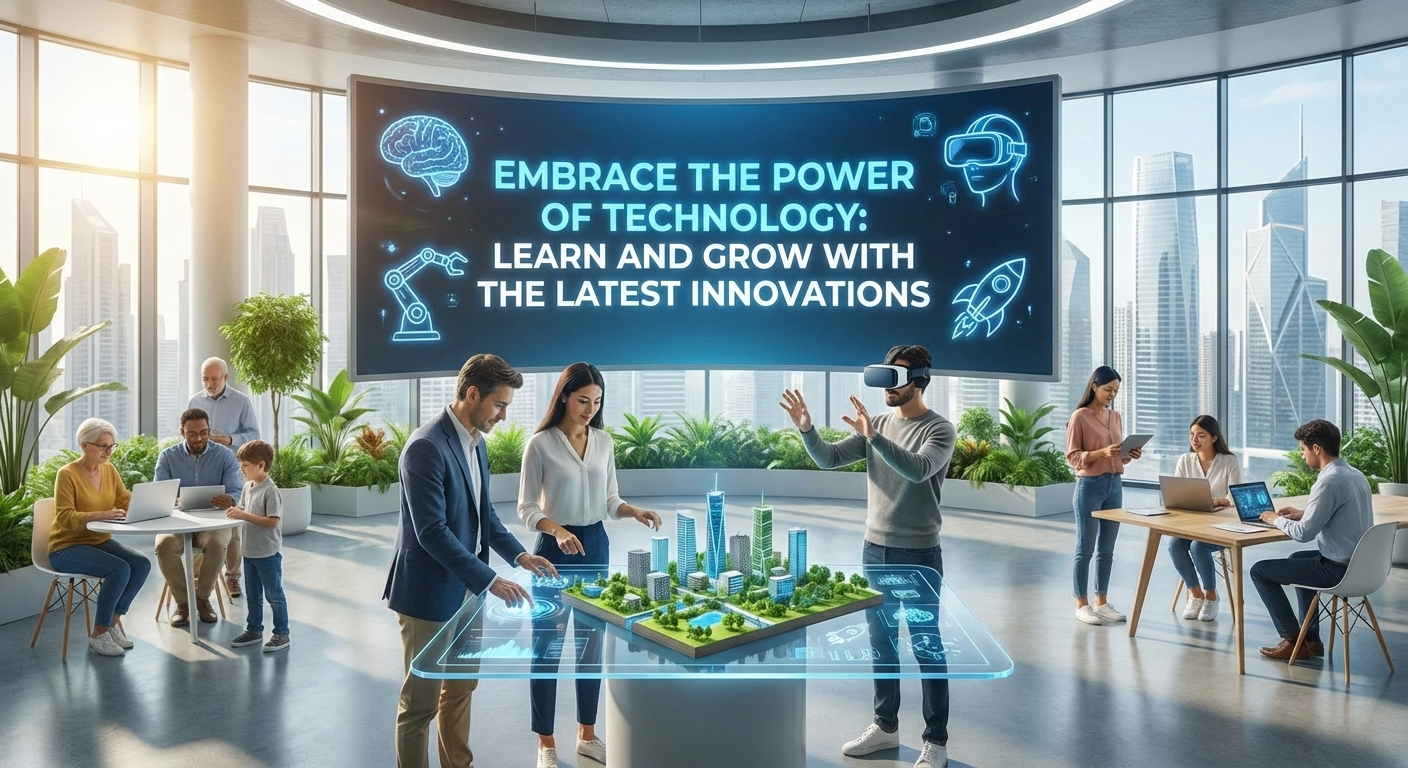
Extended Reality (XR)—encompassing Virtual Reality (VR) and Augmented Reality (AR)—has finally moved past the novelty phase. In 2026, spatial computing is earning its keep by providing safe, experiential access to scenarios that are otherwise rare, costly, or hazardous.
- Industrial & Medical: Simulated risk environments allow for hands-on, highly realistic virtual practice without real-world consequences.
- Leadership Development: AI-backed avatars allow managers to practice difficult conversations, conflict resolution, and performance reviews before executing them in real life.
4. Capability Dashboards Over Completion Metrics
Leadership no longer cares about how many hours an employee spent watching a compliance video. They want undeniable proof of capability.
- Proof of Skill: Assessments have evolved away from multiple-choice quizzes toward portfolios, live simulations, and real-world application.
- Shift in Tracking: Organizations are replacing completion rate dashboards with capability dashboards that track skill readiness, proficiency growth, and behavioral adoption.
5. Human Judgment as the Ultimate Edge
As technical and repetitive tasks become increasingly automated, human-centric skills are skyrocketing in value. Training programs are placing a massive premium on emotional intelligence, cross-functional collaboration, ethical decision-making, and critical thinking.
Building a Future-Ready Team
For the modern enterprise, reskilling and upskilling are not just HR initiatives; they are strategic business imperatives. By embracing AI literacy, immersive technology, and skills-first frameworks, businesses can build a workforce that doesn’t just survive industry disruption, but actively drives it.
Stay tuned to Corporates Learnings & Development for continuous insights on how to empower your greatest asset: your people.